THE BLEND MAG
Exploring Asia’s Best in Lifestyle.
By The Blend Mag Editorial Team
What began as one woman trying to understand her own body has become a movement around a deceptively simple idea: eating well should still feel good.
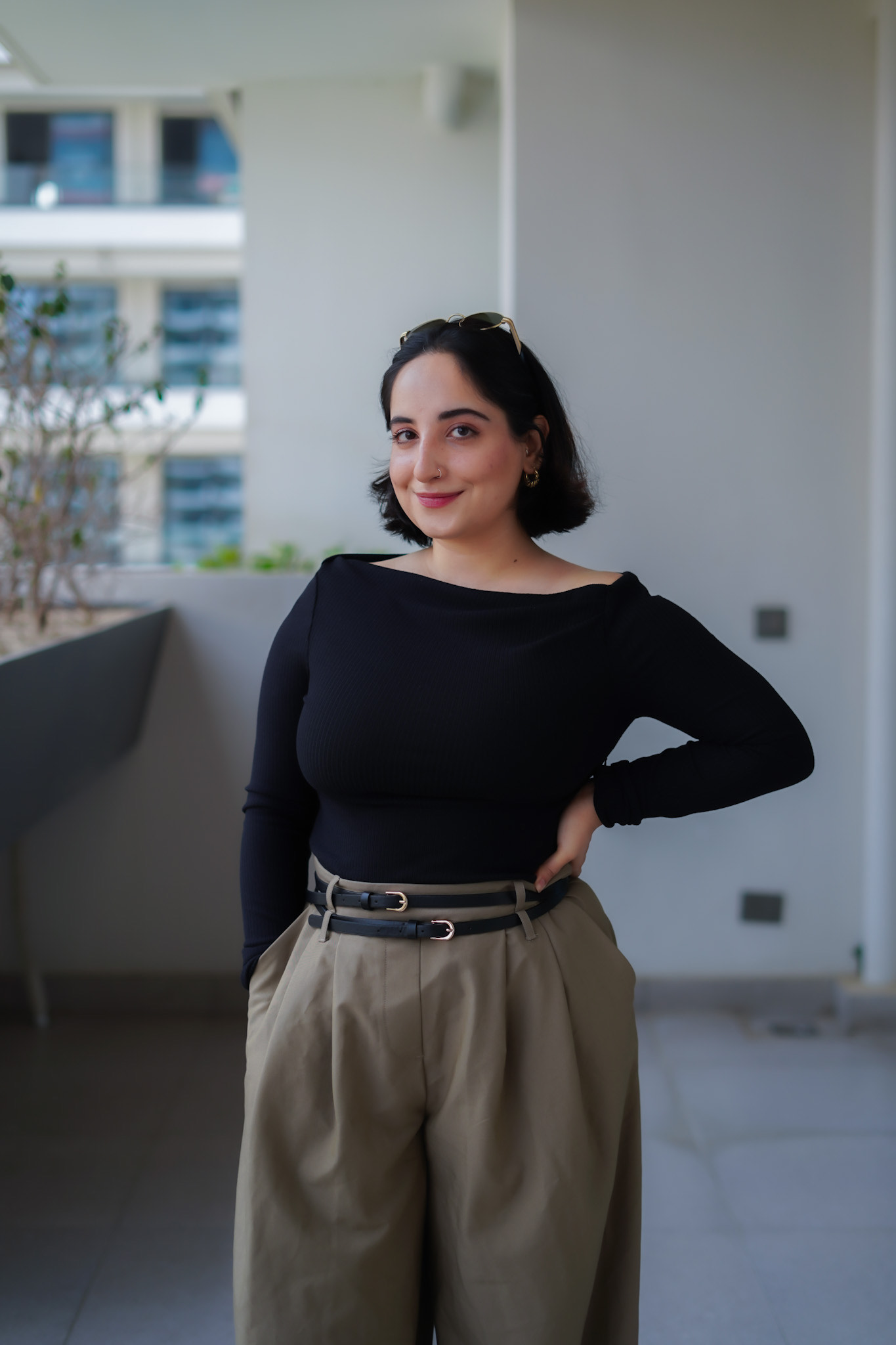
There is a particular kind of exhaustion that comes with the word healthy.
For years, the category has been built around subtraction. Less sugar. Less gluten. Less fat. Less indulgence. Less of everything that made food feel pleasurable in the first place.
The Cinnamon Kitchen is interested in doing almost the opposite.
Its philosophy is simple enough to fit on a label: food should be better for you without making you feel like you're being punished for wanting dessert. Today, the brand has grown into a nationally recognised name in better-for-you food, offering everything from cookies and granola to savouries, spreads and fresh bakes. Its products are gluten-free, plant-based, refined-sugar-free and preservative-free, but the real proposition is less about what has been removed than what remains: flavour, ritual and the pleasure of eating.
The founder, Priyasha, didn't begin with a business plan. She began with a diagnosis.
Being diagnosed with PCOS at a young age changed the way Priyasha understood food. She began reading ingredient labels, studying nutrition and experimenting in her kitchen with ingredients that worked better for her body.
At first, it was deeply personal. There was no five-year plan, no grand ambition to build a national food company. Just curiosity, necessity and the desire to make something she could actually enjoy eating.
Then she started sharing those experiments online. The conversations that followed quickly revealed that her experience wasn't particularly unique.
Parents were looking for better snacks for their children. People managing diabetes were searching for alternatives. Those with gluten intolerance wanted food that didn't feel like an apology. Others simply wanted to understand what they were putting into their bodies.
The audience widened, and so did the question.
What if healthy food didn't have to feel like a compromise?
That question became The Cinnamon Kitchen. Today, the brand describes itself as being born from a personal struggle: Priyasha's experience with PCOS led her to study nutrition and experiment with healthier ingredients, eventually sharing her bakes on Instagram and building a community around them. But perhaps the more interesting part of the story is what happened next.
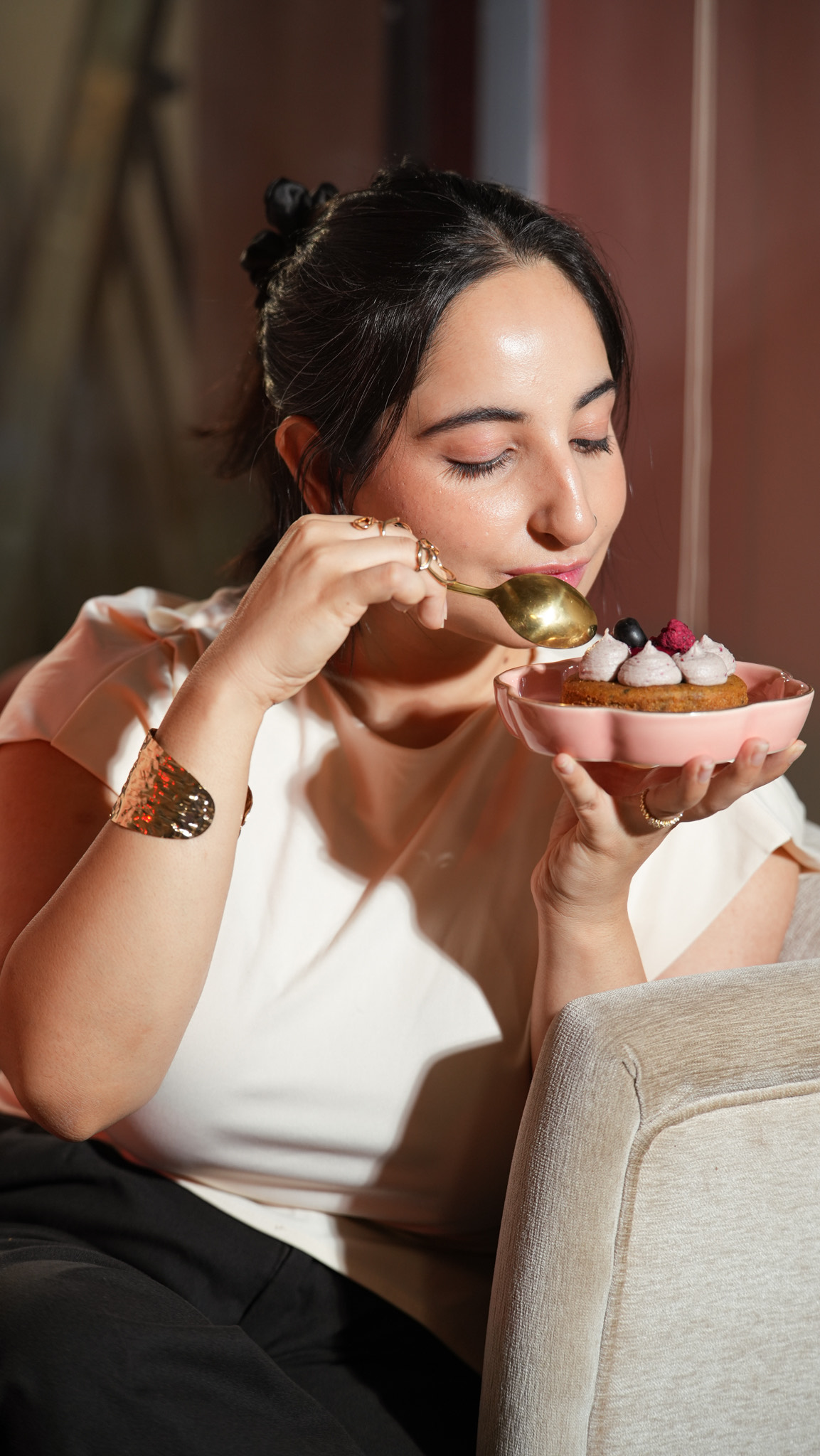
There is a certain cultural baggage attached to healthy food.
It is often assumed to be bland. Restrictive. Clinical. Something you eat because you should, not because you genuinely want to.
Some of the most meaningful feedback she has received from customers isn't about nutrition at all. It's about pleasure.
"For the first time, I don't have to choose between something I enjoy and something I feel good about eating."
That distinction is central to The Cinnamon Kitchen's worldview.
The brand isn't trying to convince people to stop loving food. It is trying to make the food they already love work a little harder for them.
A traditional tea-time rusk becomes a Cardamom & Almond Biscotti. The familiar crunch of mathris finds a more considered counterpart in baked Methi Millet Crackers. Desserts are built around ingredients such as dates, nuts and cacao rather than relying on refined sugar and maida. The rituals remain.
The ingredients change. And that is perhaps why the brand feels less like a wellness prescription and more like a food culture of its own.
In India, food rarely exists in isolation.
It is a memory, it is hospitality, it is family. It is the biscuit dipped into morning chai, the box of sweets brought home after a celebration, the savoury snack passed around during an afternoon conversation.
Trying to make food "healthier" without understanding that emotional infrastructure would be a losing proposition. The Cinnamon Kitchen doesn't ask people to give up those rituals. It asks whether they can be reimagined.
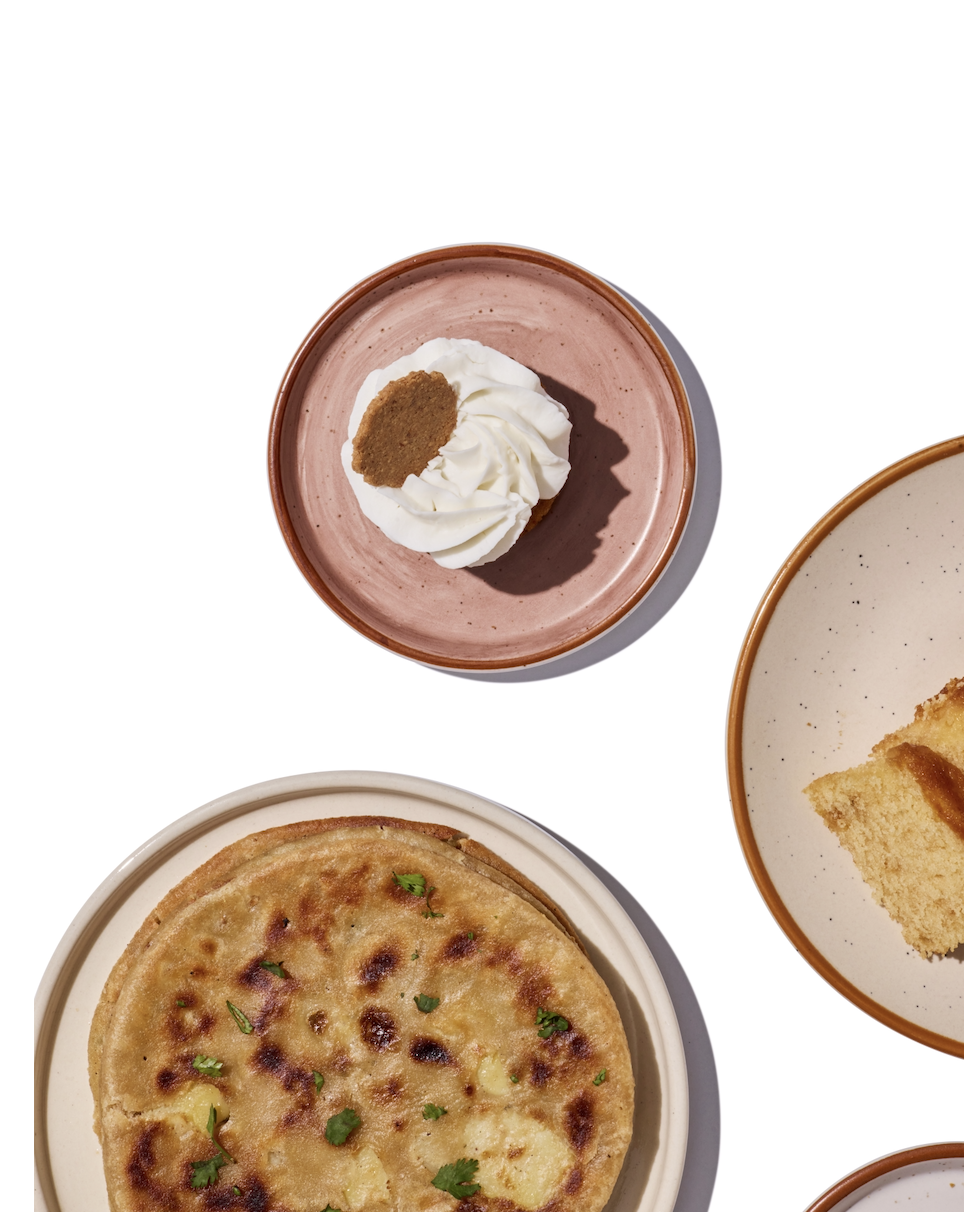
That distinction matters.
Because the future of better-for-you food probably isn't about persuading people to abandon everything they grew up eating. It is about making better choices that feel familiar enough that they don't require a lifestyle overhaul.
A healthier biscuit still needs to feel like a biscuit. A dessert still needs to feel like dessert. And a snack should still make you want another one. The Cinnamon Kitchen's approach is essentially a form of cultural translation: take something emotionally familiar and rebuild it with ingredients that feel more aligned with how people want to eat today.
Priyasha's background in nutrition gives the brand a scientific foundation, but she is careful not to let science become the entire experience. Ingredients matter. Nutritional value matters. Dietary requirements matter. But taste matters too.
Because the most nutritionally perfect product in the world is irrelevant if nobody wants to eat it twice.
That balance runs through the brand's philosophy. On its website, The Cinnamon Kitchen emphasises real ingredients, short recipes and labels that are easy to understand, with swaps such as millets instead of maida and dates instead of refined sugar.
The goal isn't to make food feel medicinal. It is to make better ingredients disappear into the pleasure of the experience. That may be the real innovation.
The goal isn't to make food feel medicinal. It is to make better ingredients disappear into the pleasure of the experience. That may be the real innovation.
There is something distinctly contemporary about the way The Cinnamon Kitchen came into existence. The brand was not born in a boardroom and then introduced to consumers.
It grew through conversation. The community came first, and in many ways, it continues to act as an unofficial R&D department. Customers have helped shape recipes, categories and even the way the brand communicates. Their feedback has influenced what gets made next and how existing products evolve. Priyasha doesn't describe them simply as customers.
She calls them collaborators.
It is an important distinction in a category where trust is everything. When someone is buying a food product marketed as healthier, they aren't only buying flavour. They are buying a promise about ingredients, process and intention. That promise becomes much easier to believe when the brand is willing to listen.
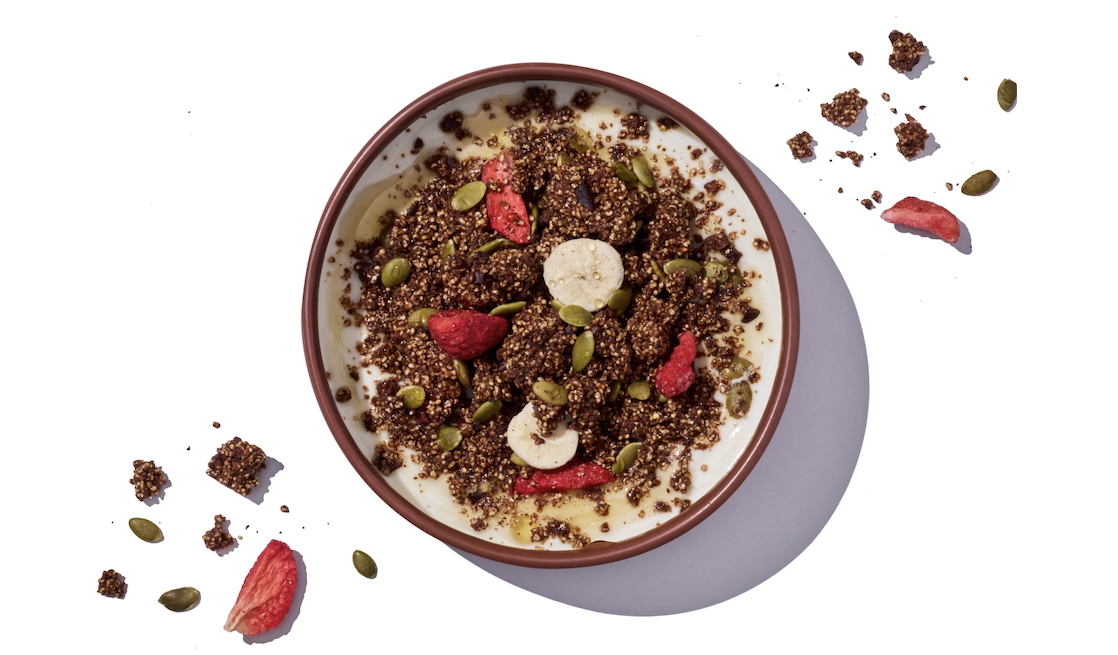
The category has changed dramatically since The Cinnamon Kitchen began.
Gluten-free, plant-based and PCOS-friendly foods were once considered niche products, largely associated with specific dietary restrictions or medical needs. Today, the audience is much broader. Consumers are reading ingredient lists. They are questioning vague health claims. They want to understand what they're eating and where it comes from. And increasingly, they aren't waiting for a diagnosis to start caring about ingredients. But there is another shift happening underneath that one.
People are tired of being told that wellness has to look like deprivation. The new wellness consumer wants pleasure and intention to coexist. They want the cookie. They just want to know what is in it.
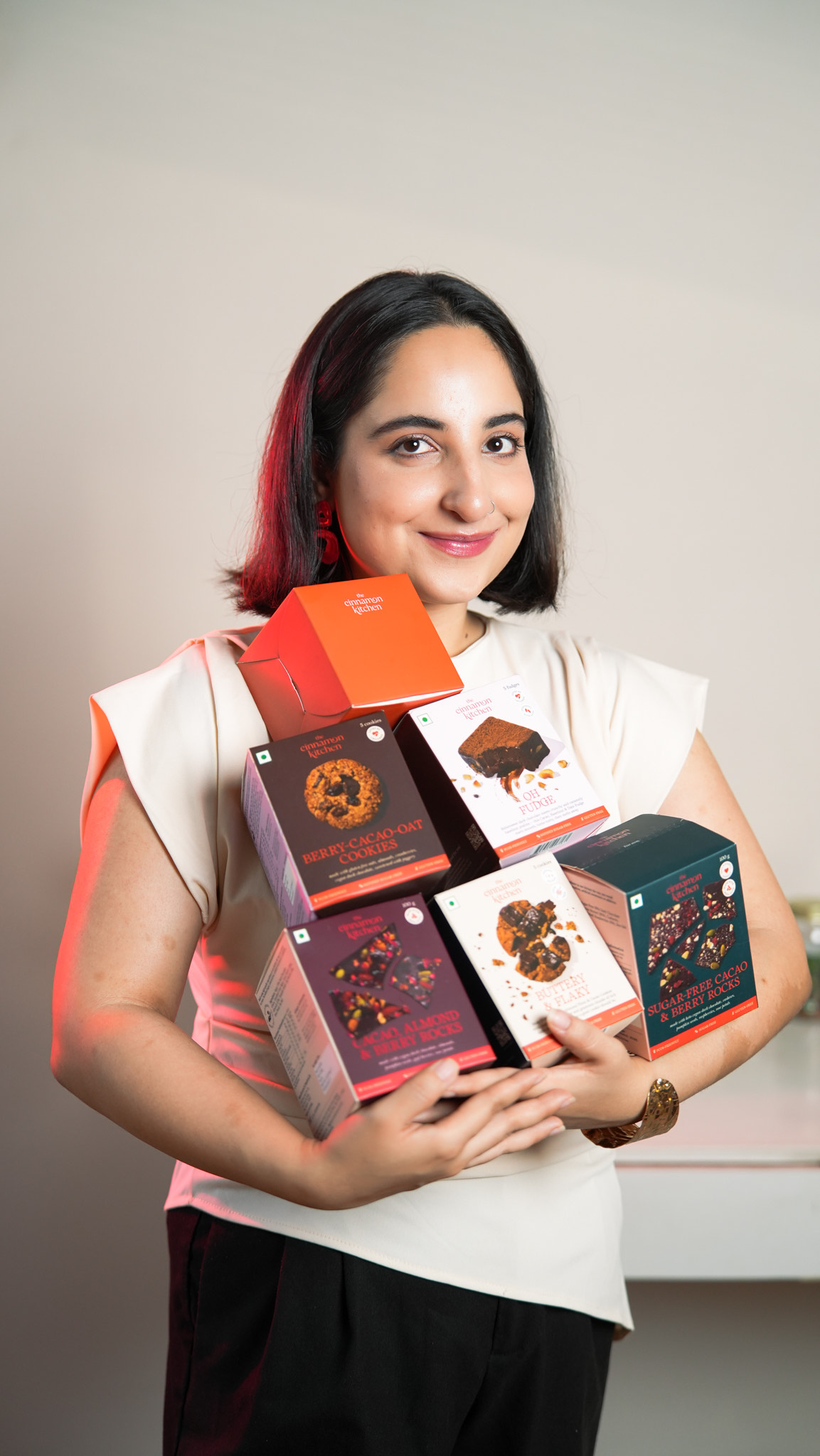
For The Cinnamon Kitchen, the next chapter may be much bigger than what sits on a shelf. Priyasha is interested in workshops, community spaces and nutrition education in schools. She wants to create experiences around eating well rather than simply products designed to be eaten.
It is an ambitious direction because it reframes the company's role. The Cinnamon Kitchen isn't only asking: What should we make? It is beginning to ask: How should people experience food?
In a country where food is so deeply connected to culture, family and identity, that could become a much more interesting conversation. Healthy eating doesn't have to be a set of rules. It can become a cultural shift."
Something people participate in because it feels good, looks good, tastes good and makes sense for the lives they actually live.
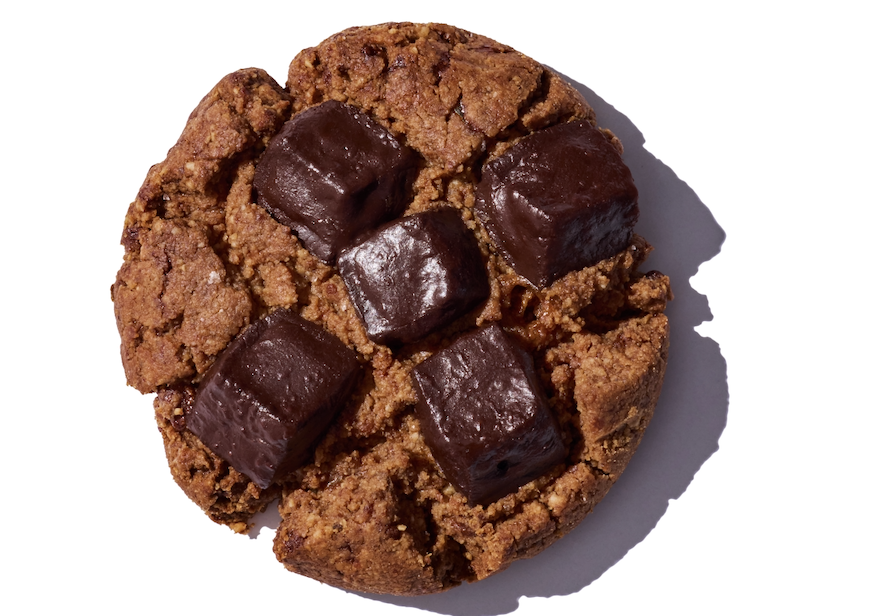
Ten years from now, Priyasha doesn't want The Cinnamon Kitchen to simply be remembered as another successful food company. She wants people to remember it as the brand that proved healthy food never had to feel like a compromise. That may sound like a modest ambition. It isn't. Because changing the ingredients is relatively easy. Changing people's perception of what healthy food feels like is much harder. The Cinnamon Kitchen began with one woman trying to find food that worked for her own body. Somewhere along the way, that private experiment became a much larger question about how all of us eat, what we associate with pleasure, and why better choices have historically been packaged as sacrifices.
The answer the brand offers is refreshingly uncomplicated: you shouldn't have to choose.
Food can be nourishing and indulgent. Thoughtful and familiar. Better for you and genuinely delicious. Or, in The Cinnamon Kitchen's own language: healthylicious. And perhaps that is the point. The future of healthy food won't be built by convincing people to want less. It will be built by giving them better reasons to want more.